seismic wire, also known as geophones or seismometers, plays a crucial role in detecting and studying earthquakes. These sensitive instruments are used to detect the subtle vibrations caused by the movement of tectonic plates deep within the Earth’s crust. By analyzing the data collected by seismic wires, scientists can gain valuable insights into the earth’s structure, the mechanics of earthquakes, and even predict future seismic activity.
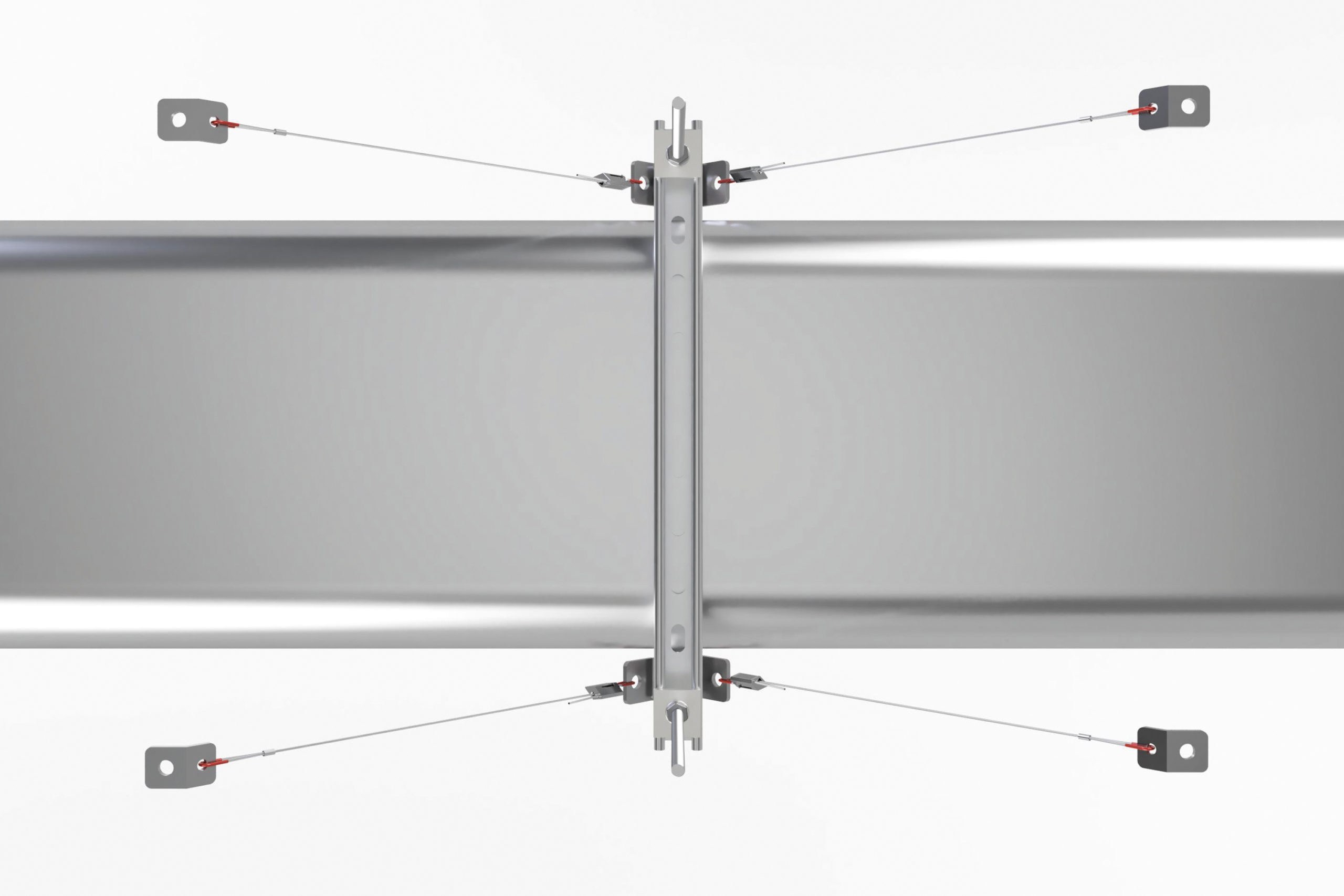
seismic wires consist of a thin wire coil and a magnet suspended within a casing. When an earthquake occurs, the ground vibrates, causing the coil to move relative to the magnet. This movement induces an electrical current in the coil, which is then amplified and recorded by a data logger. The resulting data can provide valuable information about the location, magnitude, and duration of the earthquake.
One of the key benefits of seismic wires is their ability to detect a wide range of earthquake frequencies. This is essential for monitoring and studying earthquakes of varying sizes and intensities. seismic wires can detect both small earthquakes that may go unnoticed by humans and large earthquakes that can cause widespread destruction. By continuously monitoring seismic activity, scientists can identify patterns and trends that may indicate an increased risk of a major earthquake.
Seismic wires play a critical role in seismic networks around the world. These networks consist of thousands of seismic stations equipped with seismic wires, which are used to monitor earthquakes in real-time. By analyzing data from multiple stations, scientists can triangulate the location of an earthquake and determine its magnitude. This information is crucial for emergency response efforts and for developing strategies to mitigate the impact of future earthquakes.
In addition to earthquake detection, seismic wires are also used in oil and gas exploration. By analyzing the vibrations caused by underground explosions, scientists can determine the location of oil and gas deposits deep beneath the earth’s surface. Seismic wires are also used to monitor the impact of mining and construction activities on the surrounding environment. By measuring the vibrations caused by these activities, scientists can assess their potential impact on nearby communities and ecosystems.
Seismic wires have significantly advanced our understanding of earthquakes and tectonic processes. By studying the data collected by seismic wires, scientists can create detailed maps of the earth’s interior, including the location of tectonic plate boundaries and the distribution of seismic activity. This information is essential for predicting future earthquakes and developing strategies to reduce their impact on society.
Seismic wires are also used in scientific research to study the effects of earthquakes on the earth’s crust. By analyzing the seismic waves generated by earthquakes, scientists can study the properties of rocks and determine how they respond to stress and deformation. This research is essential for understanding the mechanics of earthquakes and for developing better models to predict their behavior.
Overall, seismic wires play a crucial role in earthquake detection and research. These sensitive instruments provide valuable data that scientists use to monitor seismic activity, study earthquakes, and develop strategies to mitigate their impact. By continuously improving our seismic networks and data analysis techniques, we can better understand and prepare for the inevitable occurrence of earthquakes. Seismic wires are a vital tool in our efforts to protect lives and property from the devastating effects of earthquakes.